Leeds United manager Daniel Farke has expressed his frustration following a controversial chant that overshadowed his side’s dramatic 2-2 draw against West Ham United in a heated encounter.
Farke Voices Disappointment as Controversial Chant Dominates Leeds vs West Ham Clash
Leeds United manager Daniel Farke has expressed his frustration following a controversial chant that overshadowed his side’s dramatic 2-2 draw against West Ham United in a heated encounter.
The match itself delivered everything fans could have hoped for—intensity, drama, and end-to-end action across 120 exhausting minutes. But while the football entertained, it was the atmosphere in the stands that ultimately stole the spotlight for all the wrong reasons.
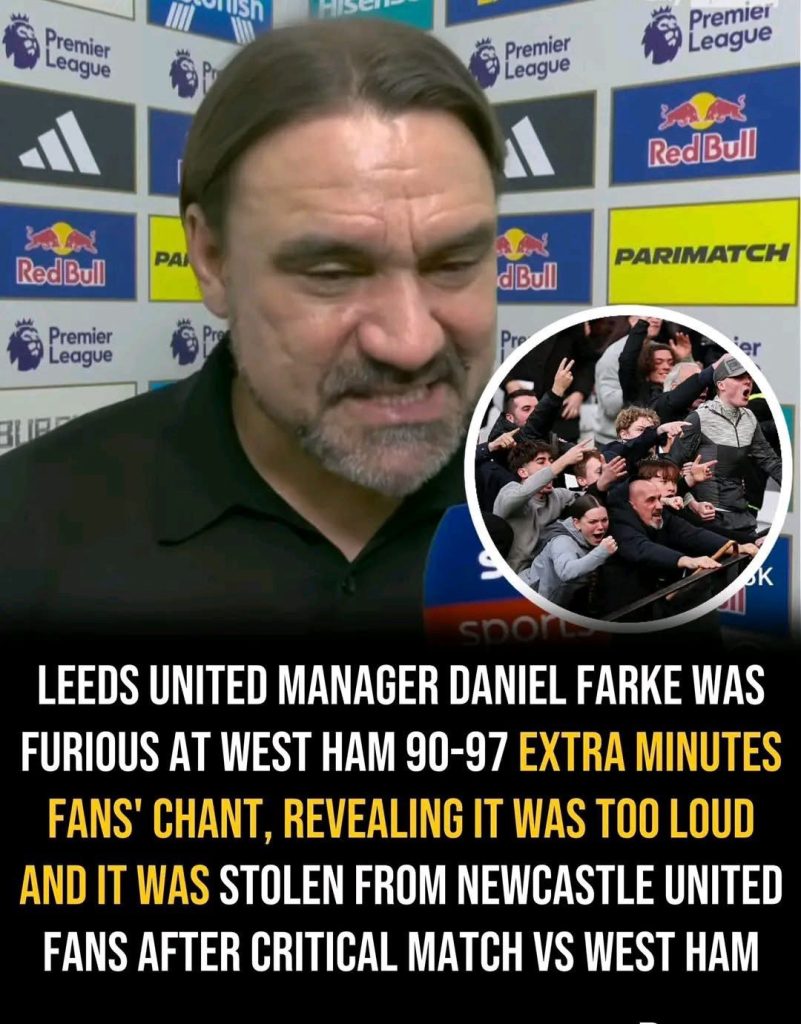
Speaking after the game, Farke did not hold back in his assessment of the chanting that erupted from sections of the crowd.
“I was so disappointed,” he said. “Making such a chant is not necessary. It doesn’t help the players, and it doesn’t represent what football should be about.”
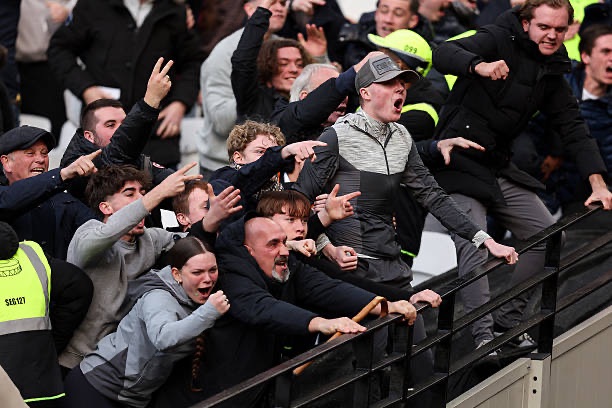
The Leeds boss pointed to a specific moment late in the game—between the 90th and 97th minutes of extra time—when the away end became particularly loud, producing a repetitive chant that quickly went viral across social media platforms.
According to Farke, the volume and nature of the chant crossed a line.
“Yes, we all want passion and support,” he added. “But there is a difference between creating a great atmosphere and doing something that becomes disrespectful and counter-productive.”
The incident has sparked widespread debate among fans, pundits, and officials alike. Many observers noted similarities between the chant heard during this match and one previously associated with supporters of Newcastle United, further fueling discussion online.
Both sets of supporters have since been drawn into the controversy, with opinions sharply divided. Some fans defended the chanting as part of football culture, arguing that emotional intensity is what makes the sport unique. Others, however, agreed with Farke’s stance, insisting that certain boundaries should not be crossed.
Match officials are also understood to be reviewing the situation, as governing bodies continue to monitor fan behaviour closely in high-profile fixtures.
Despite the off-field drama, the game itself remains a talking point. Leeds showed resilience to battle through a physically demanding contest, while West Ham matched them stride for stride in a fixture that refused to settle even after two hours of football.
Yet, as discussions continue to swirl, it is clear that the events in the stands have left a lasting impression—one that may prompt further scrutiny and potential action in the days ahead.
For Farke and his players, attention will now turn back to football. But the controversy serves as a reminder that the modern game is shaped not only by what happens on the pitch, but also by the voices echoing from the stands.