
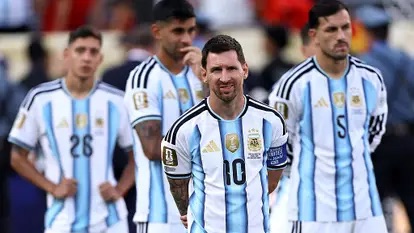
The Argentine Football Association (AFA) has responded after a fan-led petition calling for the 2026 FIFA World Cup final to be replayed gained significant traction online following Argentina’s heartbreaking defeat to Spain.
Argentina Issue Statement After World Cup Final Replay Petition Goes Viral
The Argentine Football Association (AFA) has responded after a fan-led petition calling for the 2026 FIFA World Cup final to be replayed gained significant traction online following Argentina’s heartbreaking defeat to Spain.
Spain were crowned world champions after Ferran Torres scored the decisive goal in extra time to secure a 1-0 victory in last Sunday’s final, ending Argentina’s hopes of successfully defending the title they won four years earlier. While Spain celebrated their second World Cup triumph, emotions ran high among Argentina’s players and supporters, with frustration over several refereeing decisions dominating discussion on social media in the days that followed.
Shortly after the final whistle, an online petition urging FIFA to order a replay of the match began circulating across social media platforms. The petition quickly attracted hundreds of thousands of signatures from supporters who claimed that controversial officiating influenced the outcome of the final.
Many of those signing the petition pointed to several incidents during the match, most notably the dismissal of midfielder Enzo Fernández in second-half stoppage time. Fernández received a second yellow card after a late challenge on Spain defender Pau Cubarsí, reducing Argentina to ten men during the closing stages of normal time before Torres eventually found the winning goal in extra time.
Supporters behind the petition argued that the referee made a series of decisions that unfairly disadvantaged Lionel Scaloni’s side. Videos highlighting disputed tackles, fouls, and disciplinary decisions were widely shared online, fuelling debate among football fans across the world.
However, football’s Laws of the Game make it clear that refereeing decisions made during a match—including cautions, dismissals and subjective foul calls—are generally considered final unless there is evidence of a technical error or a breach of competition regulations.
As speculation continued to spread online, the president of the Argentine Football Association moved to address the growing controversy, issuing a statement aimed at calming tensions among supporters.
While acknowledging the disappointment felt throughout Argentina following the defeat, the AFA urged fans to respect the outcome of the tournament and continue supporting the national team.
The statement praised the players and coaching staff for their efforts throughout the competition, describing their run to the final as another chapter in the country’s proud football history despite the painful result.
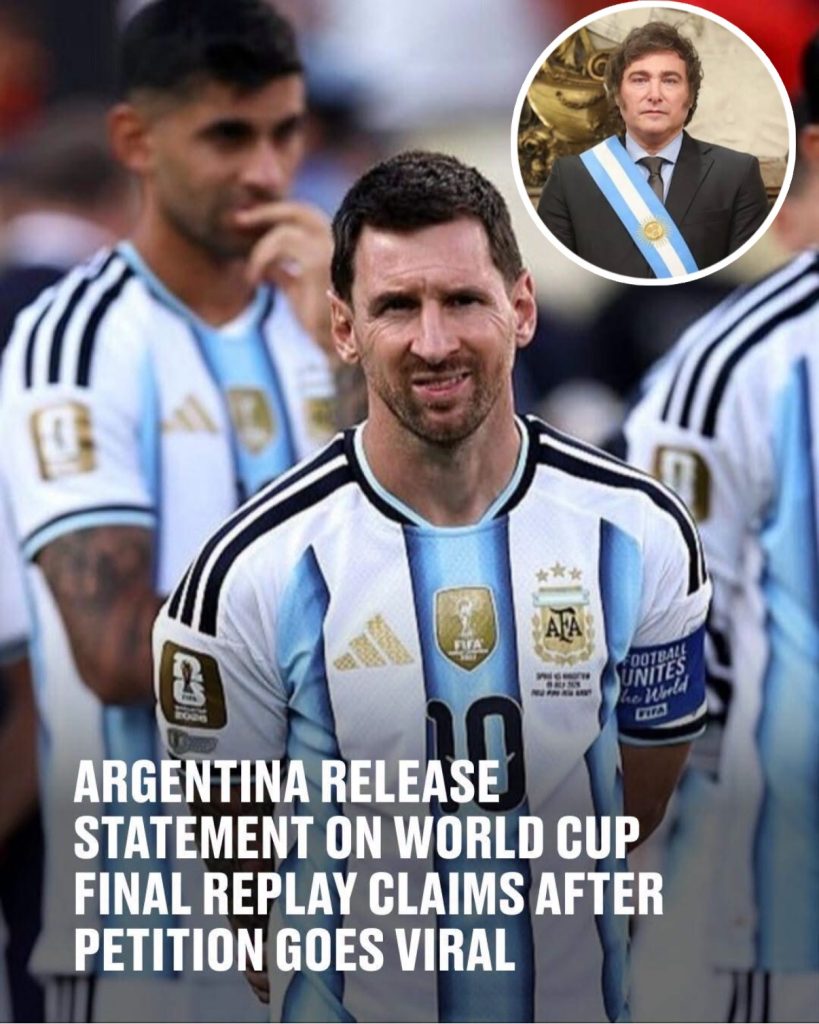
“The commitment, passion and dedication shown by our players throughout the tournament deserve recognition,” the statement said. “Although the final did not end as we had hoped, we remain proud of everything this team has achieved.”
The federation also encouraged supporters to avoid directing abuse towards match officials or opposing players, stressing that football should continue to be played in a spirit of respect and sportsmanship.
The controversy comes after Argentina’s post-match behaviour also attracted widespread criticism.
Television footage captured heated exchanges between members of both squads after the final whistle. Several Argentina players and staff were involved in physical and verbal confrontations with Spain’s players, with Leandro Paredes among those seen during the altercations. Another flashpoint occurred when Spain midfielder Gavi was knocked to the ground during the commotion.
During the trophy presentation, many members of Argentina’s squad were also seen turning away rather than watching Spain lift the World Cup trophy, an act that drew mixed reactions from supporters and pundits alike.
While many fans sympathised with the disappointment of losing such an important match, others criticised the behaviour as lacking sportsmanship.
Despite the petition’s popularity online, there is no indication that FIFA is considering any request to replay the World Cup final. Petitions organised by supporters have no authority over the governing body’s competition regulations, and World Cup matches are not replayed simply because fans disagree with refereeing decisions.
For a replay to be ordered, extraordinary circumstances such as a proven breach of the Laws of the Game or competition rules would generally need to be established—something that has not been alleged by football’s governing authorities.
Instead, the focus is now expected to shift towards FIFA’s routine assessment of officiating performances, a process that follows every major international tournament.
Although the replay campaign has generated enormous discussion online, it is unlikely to have any impact on the official result.
Spain therefore remain the 2026 FIFA World Cup champions, while Argentina leave the tournament with silver medals after another memorable campaign that ultimately fell just one goal short of retaining football’s biggest prize.
For Argentina, the disappointment of the final will undoubtedly linger, but the AFA’s message made one point clear: the federation wants the nation to stand behind the team, accept the result, and look ahead to the next chapter rather than dwell on calls for an unlikely replay.