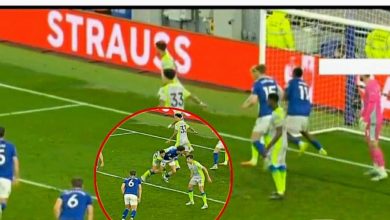

Big Call, Bigger Fallout Rosenior’s Bombshell Decision Sparks Chaos After Chelsea Collapse,Tensions Exploded after A Dramatic Night At Hill Dickinson Stadium.
“Big Call, Bigger Fallout” — Rosenior’s Bombshell Decision Sparks Chaos After Chelsea Collapse
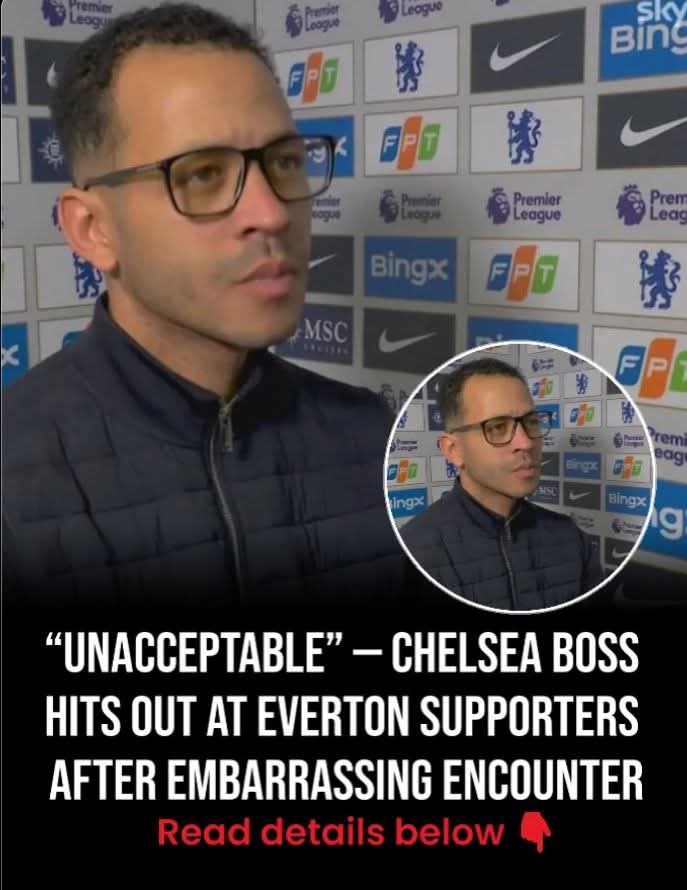
Tensions exploded after a dramatic night at Hill Dickinson Stadium, as Liam Rosenior delivered a stunning post-match verdict that has sent shockwaves through English football.
Following a surprising defeat for Chelsea FC, Rosenior did not hold back. His words cut deeper than the result itself, raising serious questions about mentality, support, and dressing-room unity.
🗣️ “Big call, bigger fallout.”
🗣️ “If that is how they support, then something is wrong.”
Chelsea arrived at Hill Dickinson Stadium as favorites but left humbled. What was expected to be a routine performance quickly turned into a frustrating and disjointed display, with key players struggling to find rhythm.
Sources close to the club suggest that tensions had already been simmering behind the scenes—but Rosenior’s explosive remarks have now dragged those issues into the spotlight.
While Rosenior did not explicitly name individuals, insiders believe his “big call” refers to a bold tactical or selection decision made before kickoff—one that may have disrupted team chemistry.
His comments hinted at something deeper than tactics:
Questions over player commitment
Concerns about internal support among teammates
A possible divide between senior stars and younger players
Fans and pundits alike are now debating whether the issue lies with the players—or with decisions made from the touchline.
The aftermath has been immediate:
Social media erupted with fans questioning leadership within the squad
Former players criticized the apparent lack of unity
Speculation is growing about unrest inside the Chelsea dressing room
Some supporters have even suggested that the reaction from the bench—and the tone of Rosenior’s comments—could create long-term damage if not handled quickly.
For Chelsea, the pressure is mounting fast. With expectations always sky-high, performances like this—and the drama that follows—only intensify scrutiny.
For Rosenior, however, this moment could define his reputation. His willingness to speak bluntly has earned respect in some quarters—but also risks deepening divisions if results don’t improve.
One thing is certain: this is no longer just about a loss. It’s about what that loss has revealed.
And as Rosenior himself made clear—something, somewhere, is not right.