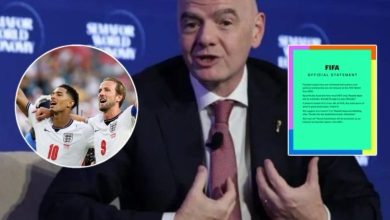
According to the fictional report, all three players were selected as part of FIFA’s routine post-match anti-doping programme, a standard procedure carried out after every World Cup fixture.
FICTION: FIFA Confirms Doping Tests on Three Players After England–Argentina Semi-Final
Football’s world governing body has reportedly completed anti-doping tests on three players following the dramatic England–Argentina World Cup semi-final, with the fictional results sparking intense debate across the football world.
According to the fictional report, all three players were selected as part of FIFA’s routine post-match anti-doping programme, a standard procedure carried out after every World Cup fixture. While two players returned negative findings, one sample allegedly required further laboratory analysis after an irregularity was detected.
The fictional case quickly became the centre of global attention as speculation spread across social media. FIFA officials urged supporters and media outlets not to jump to conclusions, stressing that any abnormal finding does not automatically constitute a doping violation and that players have the right to have their B sample analysed before any disciplinary decision is made.

Sources within this fictional scenario claim the player in question had enjoyed a legendary career, winning the World Cup with his country, collecting domestic and European honours, and becoming an icon at club level. However, the report alleges that personal struggles away from football gradually overshadowed his achievements.
The fictional investigation claims that substance abuse became a recurring issue during the latter stages of his career, with celebrations often extending for days before matches. It further alleges that attempts were made by individuals around the player to conceal the problem, though those efforts ultimately failed.
In this fictional account, the anti-doping investigation is followed by legal proceedings concerning alleged drug-related offences. The player is said to deny the most serious accusations but eventually receives a suspended prison sentence after being convicted of lesser possession and supply offences. The article suggests that the legal outcome deepened the damage to the player’s reputation while reinforcing concerns over substance abuse in elite football.
Within this fictional narrative, FIFA reiterates its commitment to protecting the integrity of the game through strict anti-doping regulations and due process. Officials emphasise that every player is entitled to a fair hearing before any final verdict is reached.
The fictional case serves as a reminder that sporting greatness can be overshadowed by personal struggles, highlighting the importance of mental health support, accountability, and strong anti-doping measures across world football.