Touchline confrontations are not unusual in English football. Managers, assistant coaches, substitutes and technical staff regularly find themselves caught up in emotionally charged moments, particularly when matches involve historic rivals.
“LEEDS UNITED IS A RESPECTFUL CLUB!” — DANIEL FARKE FINALLY ADDRESSES EXPLOSIVE TOUCHLINE CLASH AFTER 1–1 DRAW WITH MANCHESTER UNITED AS ALLEGED COMMENT SPARKS CONTROVERSY!
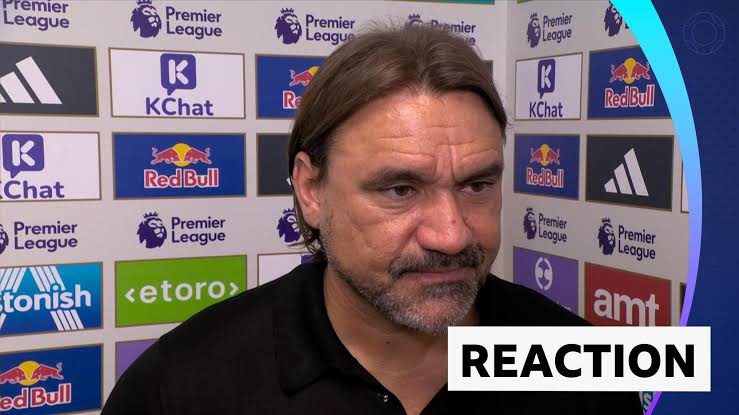
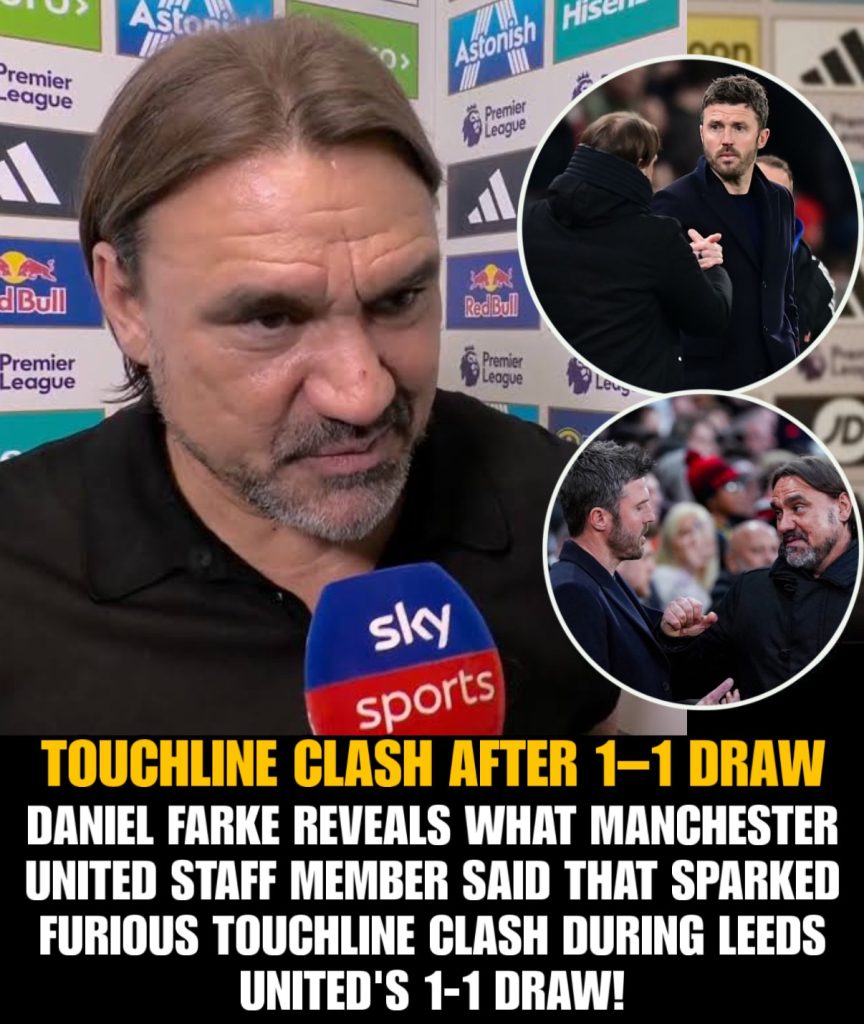
Daniel Farke has finally addressed the explosive touchline confrontation following Leeds United’s dramatic 1–1 draw with Manchester United, with the Leeds manager delivering a strong message about respect, professionalism and the standards he expects in football.
The encounter between the two historic English clubs was already attracting plenty of attention because of the rivalry between their supporters and the importance of the result. However, the tension surrounding the game appeared to extend beyond the action on the pitch, with an alleged exchange involving members of the two coaching staffs becoming a major talking point.
Farke, who has consistently emphasised discipline and respect when discussing his responsibilities as Leeds United manager, was reportedly unhappy with the circumstances surrounding the confrontation. His response has drawn attention to the importance of maintaining professional standards, even when emotions are running high during a fiercely contested match.
The Leeds manager made his position clear with a pointed statement about how he would handle similar behaviour within his own coaching team.
“If any member of my staff made a comment like that about another club, I would ask him to apologise immediately. We have to show respect in football, regardless of the rivalry.”
Those words have become central to the discussion surrounding the incident, with the message highlighting the standards Farke believes should apply to everyone working in professional football.
The manager’s position was particularly significant because it placed the emphasis on responsibility rather than simply blaming the opposition. Instead of suggesting that rivalry should excuse every exchange between the benches, the message was that coaches and staff members must understand the influence they have on the atmosphere surrounding a match.
Farke makes his position clear after heated confrontation
Touchline confrontations are not unusual in English football. Managers, assistant coaches, substitutes and technical staff regularly find themselves caught up in emotionally charged moments, particularly when matches involve historic rivals.
However, there is a difference between competitive passion and personal disrespect.
For Farke, that distinction appears to be at the centre of the discussion. The German manager understands the intensity that comes with leading Leeds United, a club whose supporters expect commitment, determination and strong performances whenever their team takes to the pitch.
But he also recognises that the responsibility of a manager extends beyond selecting a starting eleven, making substitutions and preparing tactical plans.
Managers are expected to establish standards within their dressing rooms and coaching departments. Their behaviour often influences the people working alongside them, and their reactions can determine whether a tense situation calms down or becomes even more difficult to control.
That is why Farke’s reported comments about asking a member of his staff to apologise immediately have attracted attention.
The statement suggests that, in his view, professional responsibility should not disappear simply because a match has become emotionally charged.
Football is built around competition, but competition does not mean that every comment or action should be accepted without question.
A manager can defend his players, challenge an opposing decision and demand greater intensity from his team without abandoning the principles of respect that are supposed to govern the game.
That is the standard Farke appears determined to emphasise.
What allegedly happened between the two benches?
The alleged exchange has generated interest because of the identity of the clubs involved and the intensity that traditionally surrounds meetings between Leeds United and Manchester United.
The rivalry between the sides has deep historical roots, stretching beyond individual results and involving generations of supporters who view these fixtures as particularly important occasions.
As a result, even a seemingly minor disagreement can attract considerable attention when it happens during a meeting between the two clubs.
The reported confrontation following the 1–1 draw has therefore become another talking point for supporters who are keen to understand what happened away from the main action.
According to the account circulating around the incident, an alleged comment from a member of Manchester United’s staff contributed to the tension between the two benches.
However, the precise wording of the alleged remark has not been independently established here. It would therefore be unfair to present a particular insult or accusation as a confirmed fact.
What has made the story particularly interesting is the broader question raised by Farke’s response: how should managers react when they believe members of an opposing coaching staff have crossed a line?
For the Leeds boss, the answer appears straightforward. Professionalism should come first, and anyone responsible for an inappropriate comment should be prepared to acknowledge it.
That principle applies regardless of which club is involved.
It also means that the discussion should not automatically become a competition over which side is more responsible for the disagreement. Without a complete and independently verified account of the exchange, it is important to distinguish between what has been alleged and what has actually been established.
Nevertheless, the incident has provided an opportunity to examine the expectations placed on football managers and their staff.
“Leeds United is a respectful club”
The message that Leeds United is a respectful club is likely to resonate with supporters who want their team to be recognised not only for its performances but also for its conduct.
Football clubs often speak about their identity in terms of passion, history, ambition and loyalty. Those qualities matter, but professionalism and respect are also important parts of how a club presents itself.
For Leeds, the challenge is to maintain those standards while competing in an environment where emotions can quickly spill over.
The club’s supporters are known for their passion, and matches against Manchester United inevitably carry an additional layer of intensity.
But passion does not have to mean hostility.
A respectful club can compete aggressively, demand maximum effort from its players and challenge decisions it believes are wrong. Respect does not require a manager to remain silent when he has concerns about the behaviour of others.
Instead, it means addressing those concerns in a manner that reflects the standards the club wants to uphold.
Farke’s reported comments fit into that wider discussion. By suggesting that he would ask his own staff member to apologise if they made an inappropriate comment about another club, he has placed accountability at the centre of the conversation.
The principle is important because managers cannot reasonably demand exemplary conduct from opposing teams while ignoring similar behaviour within their own organisations.
Leadership involves setting expectations and applying them consistently.
If a member of staff makes a mistake, the manager has an opportunity to address it, explain why it matters and ensure that it does not become a recurring problem.
That approach can help prevent disagreements from escalating into unnecessary disputes that overshadow the football itself.
The significance of the 1–1 draw
Although the touchline confrontation has attracted attention, the result remains an important part of the story.
A 1–1 draw between Leeds United and Manchester United leaves both sides with reasons to reflect on their performances, even as the discussion surrounding the benches threatens to dominate the post-match conversation.
For Leeds, a draw against a major rival can provide encouragement, depending on the circumstances of the performance. It can demonstrate resilience, organisation and an ability to compete against a team with significant expectations.
At the same time, sharing the points can leave questions unanswered, particularly if either side believes it had opportunities to secure a victory.
Manchester United will also have its own assessment to make. A draw means that the team must consider whether its performance was sufficient and whether there were opportunities to take greater control of the match.
However, the significance of the result should not be confused with the separate issue involving the coaching staffs.
The football and the alleged confrontation are two different matters, even though they occurred during the same fixture.
Supporters can debate tactical decisions, individual performances and missed chances while also expecting everyone on the touchline to behave professionally.
Indeed, the most meaningful conversations about football often involve both the quality of the performance and the standards demonstrated by those responsible for delivering it.
Farke’s reported response has ensured that the latter issue remains firmly in the spotlight.
Why managers must lead by example
The role of a football manager is about far more than tactics.
Managers are leaders, public representatives and the individuals ultimately responsible for establishing the culture within their teams.
Their words can influence supporters, players, coaching staff and the wider football community.
When a manager speaks about respect, the message carries greater weight if the same standards are applied consistently behind the scenes.
That is why the principle outlined in Farke’s reported statement deserves consideration beyond this particular fixture.
If a member of a coaching staff makes an inappropriate remark, the manager has several responsibilities. First, the situation must be understood properly. Second, the individual involved should be given an opportunity to explain what happened. Finally, if the behaviour is found to have crossed a line, the manager should take appropriate action.
An apology can be a useful way to resolve a disagreement, especially when a comment has caused unnecessary offence.
It does not mean that every disagreement requires a public statement or that managers should avoid challenging one another. Football is a competitive sport, and robust discussions are sometimes unavoidable.
The important distinction is between challenging an opponent’s footballing decisions and making personal comments that undermine professional relationships.
The former is part of the game. The latter can create distractions that nobody involved needs.
Farke’s message, as presented in the reported remarks, is that the standards expected of Leeds United should apply even when the pressure is intense.
That is a reasonable principle for any club seeking to maintain a professional environment.
Rivalry should never become an excuse for disrespect
The relationship between Leeds United and Manchester United ensures that meetings between the clubs rarely feel like ordinary fixtures.
Supporters attach considerable importance to the rivalry, and players understand that performances in these matches can have a lasting impact on how they are remembered by fans.
That atmosphere can make the football more compelling, but it also places additional pressure on everyone involved.
Managers must make difficult decisions in front of thousands of spectators. Coaches have to react to setbacks, controversial incidents and changing momentum. Players are expected to maintain concentration while dealing with the noise and emotion surrounding the contest.
It is understandable that tempers can rise.
Nevertheless, professional football requires individuals to manage those emotions rather than allow them to dictate every reaction.
Farke’s reported statement addresses precisely that issue.
His position is that the existence of a rivalry should not automatically excuse disrespectful conduct. If anything, the intensity of these fixtures makes professionalism even more important.
The people working on the touchline are role models within their clubs. Their actions contribute to the atmosphere around the match, and their reactions can influence how supporters interpret events.
A disagreement handled calmly can remain a minor incident. A confrontation that becomes personal can quickly turn into a story that overshadows the result.
For that reason, both clubs have an interest in ensuring that the discussion remains grounded in facts and that any concerns are dealt with through appropriate channels.
Neither side benefits when an unverified allegation becomes accepted as established truth.
What happens next?
The immediate question is whether further clarification will emerge about the alleged exchange and whether the individuals involved will provide their own accounts of what happened.
Until that information becomes available, the precise details of the confrontation should be treated cautiously.
Farke’s reported comments, however, have already raised an important issue about the expectations placed on coaching staff in high-pressure matches.
The Leeds manager’s message is clear in principle: respect should not depend on the identity of the opposition, the importance of the fixture or the emotions generated by the result.
If a member of his staff were found to have made an inappropriate comment about another club, he says he would expect an apology.
That is a statement about accountability, and it places responsibility on managers to practise what they expect from others.
Manchester United’s staff also deserve the opportunity to have their perspective understood fairly, particularly while the details of the alleged exchange remain unverified.
The objective should not be to turn a touchline disagreement into another chapter of hostility between the clubs. It should be to establish what happened, address any inappropriate behaviour and allow the football to return to the centre of attention.
For supporters, the 1–1 result will remain a subject for debate. They will continue to analyse performances, question decisions and discuss what the outcome means for their respective teams.
But the controversy surrounding the benches has created a separate conversation about the values that should guide professional football.
Farke has used the moment to underline the importance of respect and the responsibility of those working within a club.
Whether additional details emerge or the matter eventually fades from the headlines, the wider lesson remains relevant.
Football needs rivalry. It needs passion, emotion and the determination to win. Those qualities are part of what makes the sport so compelling.
What it does not need is the assumption that rivalry removes the obligation to behave professionally.
For Daniel Farke, the message is simple: Leeds United must compete with passion while maintaining respect, and those standards should apply to everyone, regardless of the badge they represent.