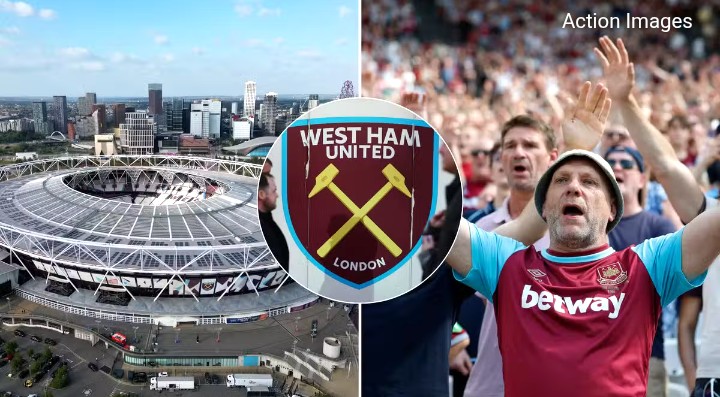
Significant structural changes are already underway at West Ham United this summer, with shifts in leadership and ownership dynamics reshaping the club’s direction
Daniel Křetínský backed to make “no-brainer” change to West Ham’s London Stadium setup
Significant structural changes are already underway at West Ham United this summer, with shifts in leadership and ownership dynamics reshaping the club’s direction even before the transfer window takes full effect.

Shortly after the conclusion of a disappointing Premier League campaign, West Ham confirmed the decision to retain manager Nuno Espírito Santo, despite widespread frustration over the team’s inconsistent form and inability to mount a sustained turnaround in results.
That decision was soon followed by another major development off the pitch, as David Sullivan stepped down from his role as co-chairman and director. While he remains a significant shareholder, the move further signalled a transition in the club’s power structure. At the same time, Czech billionaire Daniel Křetínský has increased his stake, becoming West Ham’s largest shareholder and strengthening his influence over future strategic decisions.
Amid these changes, attention has now turned to the long-term future of the club’s home at the London Stadium. Reports and supporter discussions have increasingly focused on whether Křetínský could be the figure to finally push through what some describe as a “no-brainer” adjustment to improve the matchday experience and atmosphere.
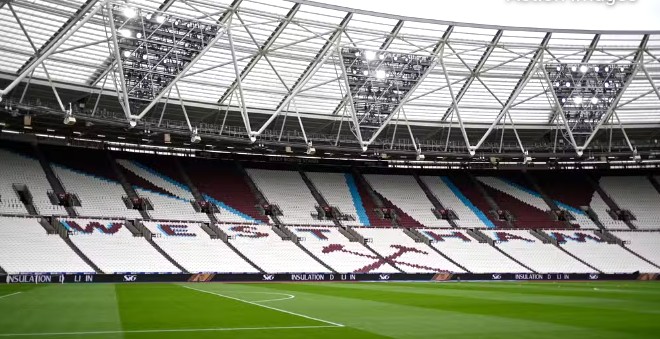
While no official proposals have been confirmed, the idea gaining traction among sections of the fanbase centres on reconfiguring aspects of the stadium setup to address long-standing concerns about acoustics, sightlines, and atmosphere generation—issues that have persisted since West Ham’s move from Upton Park.
Křetínský’s growing control at the club has therefore fuelled speculation that structural or operational changes to the stadium could soon become a priority. Supporters argue that meaningful investment in the matchday environment would align with ambitions to make West Ham more competitive both on and off the pitch.
For now, the club has not publicly indicated any immediate alterations to the stadium, but with leadership transitions underway and fan pressure continuing to build, the debate over the London Stadium’s future is expected to remain central in the months ahead.