When Wilson’s arrival was announced, some West Ham supporters questioned whether the club was taking too much of a gamble on an experienced striker whose career had been heavily affected by injuries.
Callum Wilson’s Comments Offer West Ham Supporters a Fascinating Insight Into Football’s Hidden Side
For many football supporters, the game is ultimately about what happens for 90 minutes on a Saturday afternoon. Goals, assists, celebrations, defeats and points dominate the conversation.
But behind every team selection is a much more complicated world.
Callum Wilson’s time at West Ham United offered supporters an unusually clear glimpse into that world — a world where fitness, tactics, relationships, contracts, dressing-room dynamics and managerial decisions can be just as important as what happens on the pitch.
Wilson arrived at the London Stadium in the summer of 2025 on a one-year deal after leaving Newcastle United. The reaction was hardly unanimous. His age, injury record and recent lack of regular football immediately raised questions among supporters.
Yet what followed became one of the more fascinating stories of West Ham’s turbulent season.
From unwanted signing to important figure
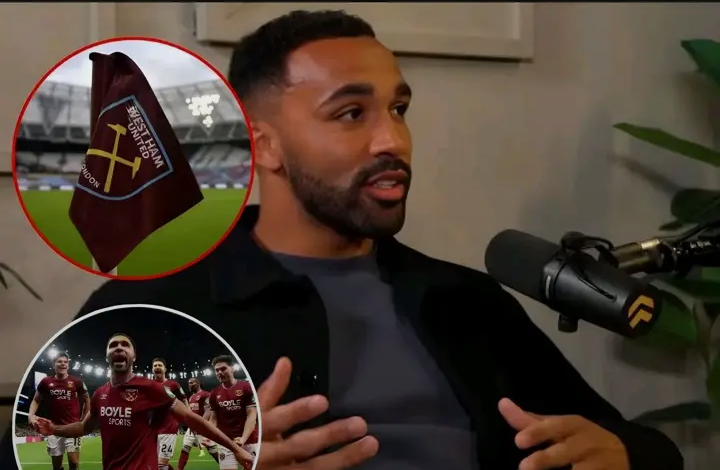
When Wilson’s arrival was announced, some West Ham supporters questioned whether the club was taking too much of a gamble on an experienced striker whose career had been heavily affected by injuries.
There was also history between Wilson and the Hammers.
The striker had developed a reputation for causing West Ham problems during his Newcastle and Bournemouth days, while an old comment made on a podcast and his infamous celebration of a controversial goal against the club had made him an unpopular figure among sections of the fanbase.
But football has a strange habit of changing opinions.
Once Wilson put on a West Ham shirt, the conversation gradually changed.
He became a player supporters could turn to when the team desperately needed a goal. His experience, movement and finishing ability remained valuable, particularly when matches became tight.
His late winner against Tottenham in January was perhaps the perfect example.
Wilson found himself in the right place at the right time to give West Ham a dramatic victory, later explaining that he understood where the goal was and trusted his instincts.
It was the sort of moment that reminded supporters why experienced goalscorers remain valuable, even when they cannot play every minute.
The part supporters rarely see
Wilson’s comments throughout his West Ham spell also revealed something bigger.
Professional football is not simply about selecting the eleven best players and letting them play.
Players have physical limitations. Managers have tactical preferences. Medical teams monitor workloads. Coaches make decisions based on training performances. Contracts influence planning. Competition for places changes dressing-room dynamics.
And sometimes, a player can be performing well without necessarily being selected.
That was particularly noticeable with Wilson.
Reports during the season suggested that his limited involvement had caused frustration, while there were also indications that the striker was unhappy with his situation under Nuno Espírito Santo.
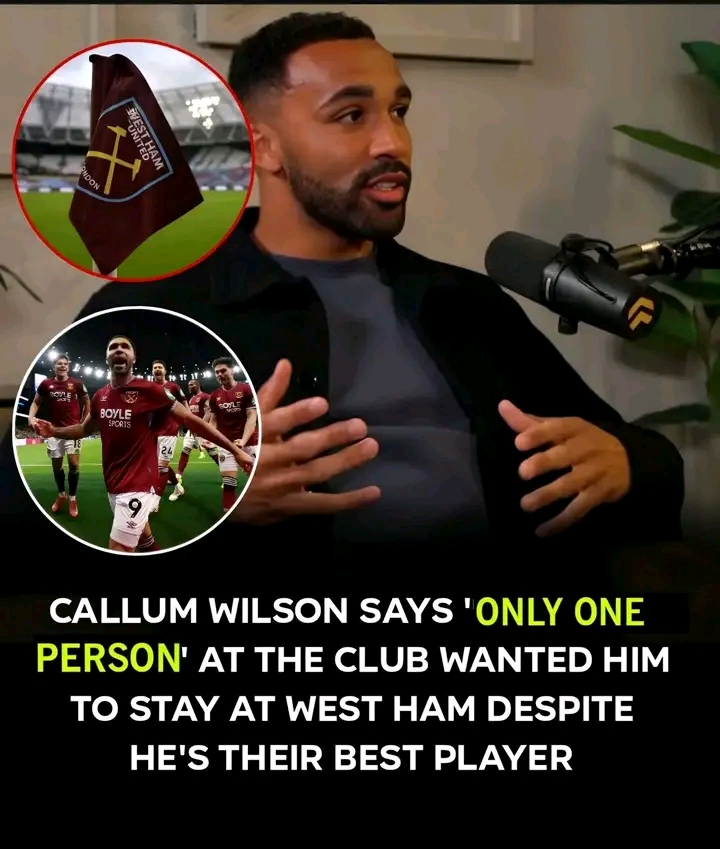
At one point, Wilson was even involved in discussions over potentially leaving the club during the January transfer window. Those talks were eventually stopped, with West Ham deciding that losing an experienced goalscorer would make little sense during a relegation battle.
That episode alone tells supporters something important about football behind closed doors.
A player’s future can change dramatically within days.
One moment, an exit appears possible. The next, a big performance changes the conversation completely.
Why Wilson’s experience mattered
Wilson was never simply competing to be West Ham’s starting striker.
He was also competing against his own body.
At his age, managing physical condition became an important part of his football. That helps explain why his role could sometimes involve coming from the bench rather than starting every match.
Yet that does not necessarily mean a player has become unimportant.
In fact, Wilson’s value often became more obvious late in games.
When defenders were tired and West Ham needed someone who understood positioning inside the penalty area, his experience could become decisive.
That was evident in his late goal against Tottenham, while his performances in other matches also helped underline his finishing ability.
For supporters, it was a reminder that footballers contribute in different ways.
Not every important player has to complete 90 minutes every week.
The psychology of football
Perhaps the most interesting part of Wilson’s story was the mentality behind it.
The striker has spoken openly about ambition, self-belief and his desire to continue competing at the highest level despite setbacks.
That mentality matters enormously in professional football.
A player can be dropped, criticised, injured or questioned by supporters. Yet the following week, he may still be expected to perform when his opportunity arrives.
That requires an extraordinary level of mental resilience.
Wilson’s career has already included major setbacks, including serious injuries, but he continued to rebuild himself and eventually represented England at a World Cup.
His ambition to reach 100 Premier League goals also demonstrated that personal targets can remain powerful sources of motivation even late in a player’s career.
West Ham’s supporters eventually saw the other side
Perhaps the biggest twist in Wilson’s West Ham story was how dramatically public opinion changed.
The player who initially generated scepticism eventually became someone many supporters did not want to lose.
By the end of the season, there was genuine disappointment among sections of the fanbase when his contract was not extended.
Wilson ultimately left West Ham for Brentford in July 2026 after one season in east London. He made 35 appearances and scored seven goals for the Hammers.
Those numbers do not tell the whole story.
His importance was also about timing.
Some of his most memorable contributions came when West Ham needed a moment of quality, and supporters increasingly appreciated the experience he brought to the squad.
A lesson bigger than Callum Wilson
Wilson’s story provides West Ham fans with a fascinating lesson about the hidden side of football.
Supporters see the final product.
They see the team sheet.
They see the substitute coming on.
They see the missed chance.
But they rarely see the conversations behind those decisions.
They do not see the medical assessments, tactical discussions, private conversations between players and managers, or the psychological battles taking place inside a dressing room.
Wilson’s experience brought some of those realities closer to the surface.
His West Ham career was not a simple story of an ageing striker arriving, scoring goals and leaving.
It was a story of expectations, doubts, tactical decisions, physical management, personal ambition and changing relationships.
And perhaps that is why his comments have resonated so strongly.
Football supporters can spend hours debating formations and transfers, but Wilson’s experience offers a reminder that professional football is ultimately played by people — people dealing with pressure, uncertainty, competition and expectations just like anyone else.
For West Ham supporters, Callum Wilson may ultimately be remembered not only for his goals, but for the unusual insight his journey provided into everything that happens beyond the touchline