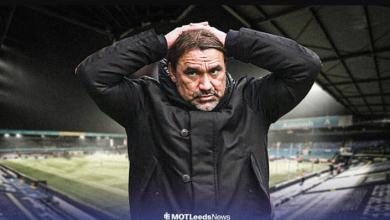
Daniel Farke did not hide his frustration after Leeds United suffered a dramatic 6-3 defeat against Chelsea at Stamford Bridge
“ROBBERY!” — DANIEL FARKE FURIOUSLY CALLS OUT JARRED GILLETT AFTER LEEDS UNITED’S CONTROVERSIAL 6-3 DEFEAT
Daniel Farke did not hide his frustration after Leeds United suffered a dramatic 6-3 defeat against Chelsea at Stamford Bridge, with the Leeds manager directing much of his anger towards referee Jarred Gillett following a controversial penalty decision.
Leeds had appeared to be in control after establishing a two-goal advantage, but everything changed during a remarkable second-half collapse. Chelsea eventually turned the match completely around, scoring six times in a devastating period to send Leeds crashing out of the Carabao Cup.
For Farke, however, the result was not simply about his team’s defensive problems.
The Leeds boss undoubtedly has plenty to address after watching his side concede six goals in the second half, but his immediate frustration after the final whistle was focused heavily on one decision that he believed played a major role in changing the momentum of the contest.
Farke blasts Gillett’s penalty decision
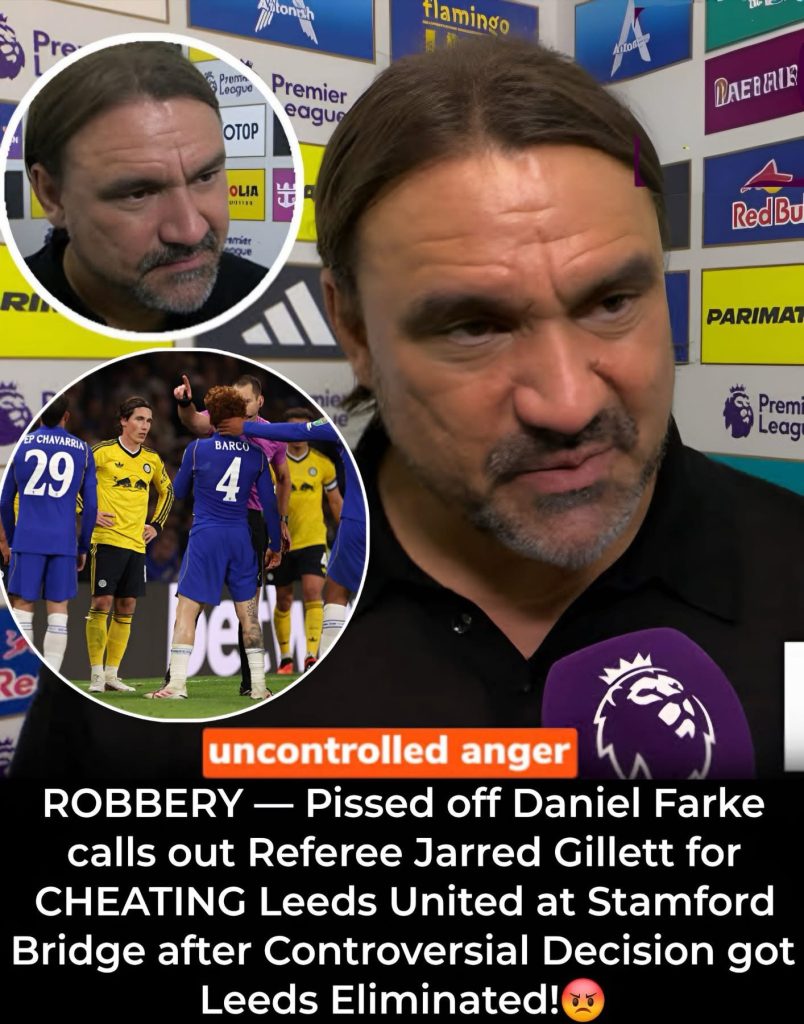
The moment that particularly infuriated Farke came when referee Jarred Gillett awarded Chelsea a penalty.
Chelsea had been pushing to get back into the game, but from Farke’s perspective, the penalty decision arrived at a crucial moment and completely changed the atmosphere inside Stamford Bridge.
Cole Palmer stepped forward to take responsibility from the spot and calmly converted, giving Chelsea another major boost and reducing the deficit.
The goal provided Chelsea with renewed belief, while Leeds suddenly found themselves under enormous pressure.
Farke was visibly frustrated on the touchline and later made his feelings known during his post-match comments.
The Leeds manager questioned why the penalty had been awarded, insisting that he did not believe there had been enough in the incident to justify such a major decision.
His frustration was intensified by the fact that, in his view, there had not even been a significant Chelsea appeal before the referee made the decision.
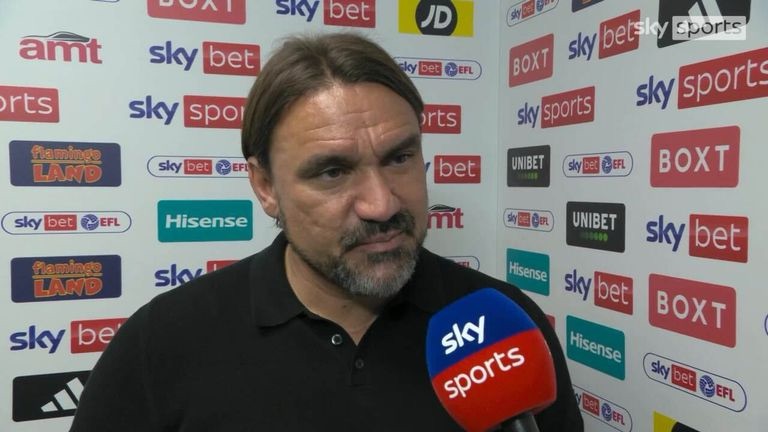
Speaking to Sky Sports, Farke said:
“It wasn’t even a chance for them, then the referee had the idea to give a penalty, so no one in the stadium was asking for it.”
Those comments immediately drew attention because Farke appeared to suggest that the referee’s decision had effectively created an opportunity for Chelsea rather than responding to an obvious attacking situation.
Leeds’ collapse began after the turning point
The penalty became one of the major talking points of the night because of what followed.
Leeds had started the game with confidence and appeared capable of producing one of the biggest shocks of the competition.
Against a Chelsea side packed with attacking quality, Leeds had managed to put themselves in a commanding position.
But once Chelsea found a route back into the match, the game changed dramatically.
The home side began attacking with greater confidence, while Leeds struggled to deal with the increasing pressure.
The second half quickly became a nightmare for Farke.
Chelsea repeatedly found space around the Leeds defence, and the visitors struggled to regain the control they had shown earlier in the contest.
Six goals conceded in one half inevitably meant Farke could not blame everything on one refereeing decision.
Nevertheless, the Leeds boss clearly felt that the penalty had been a crucial moment because it helped Chelsea regain momentum at a time when Leeds were still in a strong position.
“The referee had the idea to give a penalty”
Farke’s choice of words was particularly striking.
Rather than simply saying he disagreed with the decision, the Leeds manager questioned the circumstances surrounding it.
His claim that “no one in the stadium was asking for it” underlined just how strongly he felt about the incident.
From Farke’s perspective, Leeds were not facing a clear-cut penalty situation and Chelsea had not created an obvious opportunity that demanded intervention.
Instead, he believed the referee’s decision effectively handed Chelsea a lifeline.
Once Palmer converted, the psychological battle appeared to change.
Chelsea had something to fight for.
Leeds suddenly had something to protect.
And Stamford Bridge became increasingly hostile for the visitors.
That shift in momentum is precisely why Farke’s comments have generated so much discussion among Leeds supporters.
But Farke faces questions about Leeds’ defending
Despite his anger towards Gillett, Farke will know that Leeds’ defensive performance cannot simply be ignored.
Conceding six goals is a serious warning sign.
Even if the penalty decision was controversial in Farke’s eyes, Leeds still had opportunities to respond after Chelsea’s comeback began.
Instead, the visitors struggled to stop Chelsea’s attacking players from finding openings.
The defensive organisation that had helped Leeds establish their early advantage disappeared.
Chelsea exploited the spaces, moved the ball quickly and punished mistakes.
For Farke, that will likely be the biggest concern to address when his players return to training.
A controversial decision can influence a match, but a team must still respond when circumstances turn against them.
Leeds were unable to do that at Stamford Bridge.
Fans furious as debate continues
The penalty decision has inevitably become one of the biggest talking points among Leeds supporters.
Many fans who watched the game shared Farke’s frustration and questioned whether the decision was strong enough to warrant a penalty.
Others have argued that, regardless of the refereeing controversy, Leeds ultimately lost control of the game themselves.
That debate is likely to continue for some time.
Football matches can turn on small moments, particularly when one side is trying to protect a lead against a stronger opponent.
For Leeds, the penalty became symbolic of a much larger problem.
They had the opportunity to shock Chelsea and progress in the competition, but instead watched their advantage disappear in extraordinary fashion.
Farke refuses to stay silent
One thing was clear from Farke’s reaction: he was not prepared to simply accept the decision without criticism.
The German manager has always been willing to speak openly when he believes his team has been treated unfairly, and his post-match comments followed that pattern.
Rather than focusing exclusively on his own team’s mistakes, Farke highlighted what he believed was a key refereeing error.
His comments are unlikely to change the result.
Chelsea remain the winners, Leeds are eliminated, and Farke must now focus on the lessons from a painful night.
But the controversy surrounding Gillett’s penalty decision will remain part of the conversation.
For Leeds supporters, the feeling will be especially painful because their team had been so close to producing a memorable result.
A two-goal advantage against Chelsea should have created belief.
Instead, it became the beginning of one of the most extraordinary collapses of the night.
Farke’s anger towards Gillett therefore reflects more than one isolated incident.
It reflects his belief that a crucial decision helped change the direction of the match at exactly the wrong time for Leeds.
However, the Leeds boss will also know that his team must take responsibility.
Six goals conceded in the second half cannot be ignored.
The referee can be criticised, the penalty can be debated and the decision can be analysed repeatedly, but Leeds must ultimately learn from the collapse.
For now, though, Farke’s message is clear: he believes the penalty decision was deeply questionable, and he is furious that it helped give Chelsea the momentum they needed.
The result is final.
The controversy, however, is only just beginning.