Aston Villa have been warned that a major defensive decision could be costing them valuable Premier League points after their frustrating 2-2 draw with Brentford, with Tyrone Mings facing serious questions over his place in Unai Emery’s starting XI.
ASTON VILLA FANS DEMAND A BIG DEFENSIVE CHANGE AFTER BRENTFORD DRAW AS TYRONE MINGS COMES UNDER PRESSURE AND GABBY AGBONLAHOR ADDS TO THE DEBATE
Aston Villa’s defensive problems are becoming increasingly difficult to ignore after their frustrating 2-2 draw with Brentford, with supporters questioning whether Unai Emery must finally make a major decision about his defensive line.
What appeared to be an opportunity to collect three valuable Premier League points instead became another disappointing afternoon for Villa, whose defensive weaknesses once again threatened to overshadow their attacking improvements.
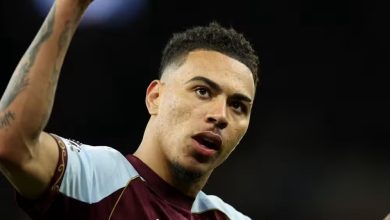
Tyrone Mings has found himself at the centre of the growing discussion following a difficult performance, with questions being raised about his place in Emery’s starting XI and whether the current defensive partnership is providing the stability required for a team with ambitions of competing near the top of the table.
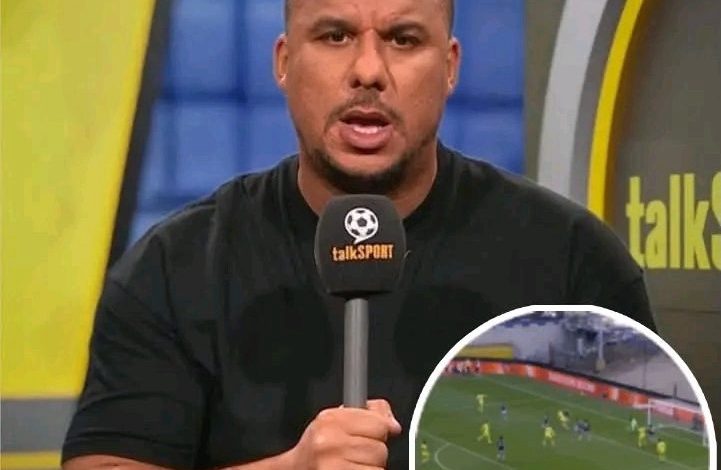
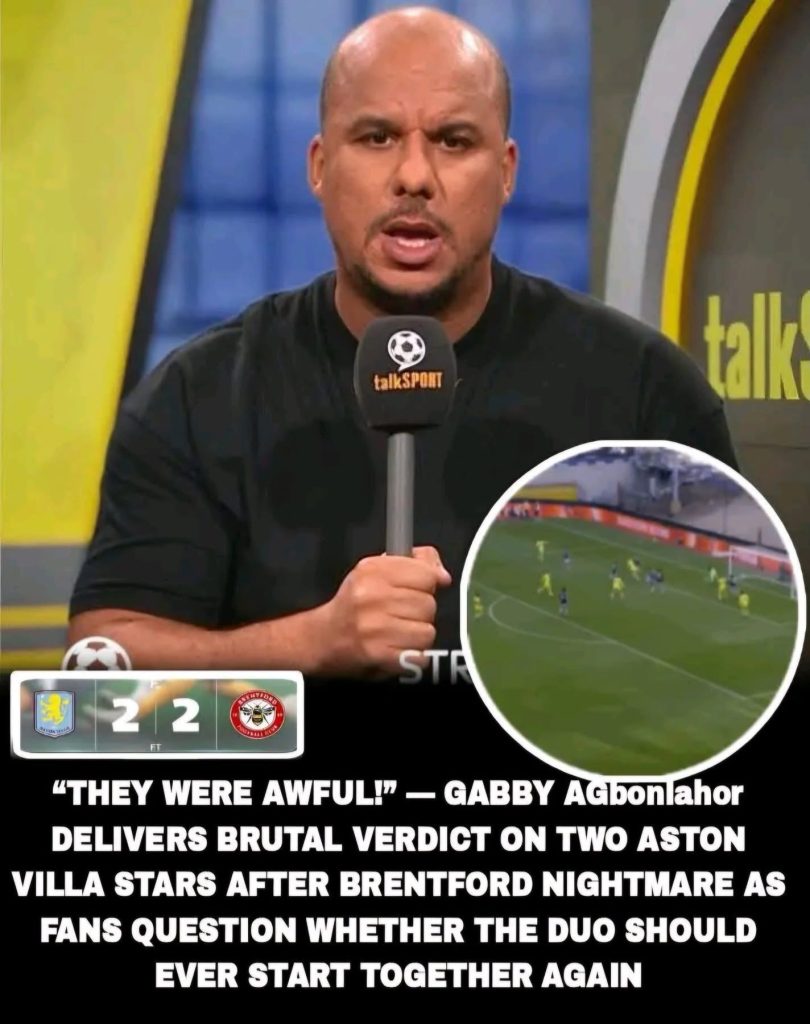
The situation has also brought renewed attention to former Villa striker Gabby Agbonlahor, whose name has become part of the wider conversation surrounding the club’s performances and the decisions Emery may need to make.
For Villa supporters, the frustration is understandable. Their team demonstrated enough attacking quality to put itself in a strong position against Brentford, yet defensive uncertainty prevented them from turning that advantage into the result they desperately wanted.
The draw has therefore created another difficult question for Emery: how long can Aston Villa continue to drop valuable points before significant changes become necessary?
A PROMISING AFTERNOON ENDS IN FRUSTRATION
Aston Villa entered the contest hoping to produce a response after their disappointing defeat to Nottingham Forest.
There was a clear need for improvement, particularly in the way the team approached its attacking responsibilities and attempted to control important moments during matches.
Against Brentford, Villa showed encouraging signs in possession and created opportunities that suggested their attacking players were beginning to find greater rhythm.
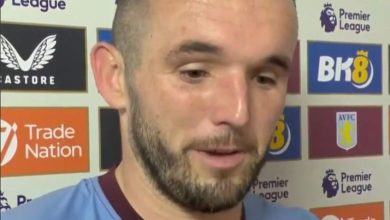
The home side appeared to have done enough to secure victory when John McGinn put them ahead late in the second half.
At that moment, the result seemed to be moving in Villa’s favour. The goal gave Emery’s team an opportunity to manage the remaining minutes, protect its advantage and collect three points that could have provided a welcome boost.
However, football matches are often decided by the smallest details, and Villa once again discovered how expensive defensive lapses can become.
Kristoffer Ajer’s equaliser changed the atmosphere and left the home side facing another frustrating result.
Instead of celebrating a hard-earned victory, Villa were left reflecting on the opportunities they had failed to take and the defensive mistakes that had prevented them from controlling the closing stages.
For Emery, the problem was not simply the fact that his team conceded twice. It was the manner in which defensive uncertainty continued to undermine the progress made at the other end of the pitch.
Villa cannot expect their attacking players to produce moments of quality in every match while the defence repeatedly places the team under unnecessary pressure.
That imbalance is becoming one of the biggest talking points surrounding the club.
TYRONE MINGS FACES GROWING QUESTIONS
Tyrone Mings is now at the centre of the defensive debate following a performance that raised questions about his contribution to Villa’s overall stability.
The experienced defender has made 216 appearances for Aston Villa, demonstrating how important he has been to the club over the years.
He has experienced the demands of the Premier League, understands the expectations of the supporters and has played a significant role during different periods of Villa’s development.
However, reputation alone cannot guarantee a starting position at a club where competition and consistency are essential.
Mings endured a difficult afternoon against Brentford, including a costly error in the build-up to the visitors’ opening goal.
Mistakes happen in football, even to experienced defenders. The real concern arises when individual errors become part of a wider pattern of defensive uncertainty.
Villa need their defenders to make reliable decisions under pressure, communicate effectively and maintain concentration when opponents attempt to exploit spaces.
When those responsibilities are not fulfilled, the entire defensive structure can become vulnerable.
Mings will naturally be disappointed with aspects of his performance, but the wider question concerns what Emery should do next.
Should the manager continue trusting an experienced player in the hope that he responds positively, or should he consider changes to give the defensive unit a different balance?
There is no simple answer.
Dropping a defender after a difficult performance does not automatically solve every defensive problem. Equally, continuing with the same arrangement without addressing repeated weaknesses can create the impression that mistakes carry few consequences.
Emery must assess the situation carefully, considering Mings’ overall contribution, his performances in training, his physical condition and the alternatives available.
What matters most is ensuring that Aston Villa have a defensive combination capable of delivering consistent performances.
THE PARTNERSHIP WITH VICTOR LINDELOF UNDER SCRUTINY
Mings’ partnership with Victor Lindelof is also becoming a subject of discussion among supporters.
Centre-back partnerships require more than individual ability. They depend on communication, positioning, anticipation and a shared understanding of how to respond when the opposition attacks.
Two experienced defenders can still struggle together if their movements are not coordinated or if the spaces between them become too easy to exploit.
Against Brentford, Villa were unable to maintain the defensive security needed to protect their advantage.
That will concern Emery because the Premier League offers very little room for hesitation. Opponents are constantly searching for opportunities to exploit mistakes, particularly during the closing stages of closely contested matches.
A team that wants to compete consistently must be capable of defending crosses, managing transitions and dealing with pressure inside its own penalty area.
The problem cannot automatically be attributed to one player.
Although Mings has attracted attention following his error, defensive performances are influenced by the positioning of midfielders, the work of full-backs, the team’s pressing structure and the goalkeeper’s communication.
If Villa concede because several players fail to carry out their responsibilities, changing one centre-back might not be enough.
Nevertheless, Emery must determine whether the current partnership offers the right combination of pace, physicality, composure and organisation.
Lindelof and Mings may possess qualities that benefit the team, but those qualities must translate into reliable performances on the pitch.
The manager has to consider whether another combination would provide greater balance.
For Villa supporters, the expectation is straightforward: they want a defence that can protect a lead rather than leave the team vulnerable to another late disappointment.
UNAI EMERY MUST FIND THE RIGHT SOLUTION
Emery has built his reputation around tactical organisation, preparation and an ability to improve players through detailed coaching.
That makes Villa’s defensive difficulties particularly frustrating.
The manager understands that successful teams need a dependable structure, especially when matches become tense and the opposition begins committing more players forward.
Villa showed enough attacking improvement against Brentford to suggest that the team can still cause problems for opponents.
However, those improvements will count for little if defensive lapses continue preventing victories.
Emery now faces the challenge of identifying whether the problem is primarily individual, tactical or a combination of both.
If the defensive line is positioned too high without sufficient protection, opponents may find opportunities to attack the space behind it.
If midfielders fail to track runners, the centre-backs can become exposed to difficult situations.
If communication breaks down during crosses or second balls, even technically gifted defenders can struggle to deal with dangerous moments.
These are issues that require detailed analysis rather than emotional reactions to a single result.
However, the manager must also be prepared to make difficult selection decisions when performances fall below expectations.
Aston Villa cannot afford to allow the same concerns to continue without a clear response.
Supporters want to see evidence that the coaching staff recognise the weaknesses and have a plan to address them.
That could involve changing the centre-back partnership, adjusting the team’s defensive shape, demanding greater concentration from the existing players or making several changes simultaneously.
Whatever route Emery chooses, the objective must be to restore confidence and consistency.
GABBY AGBONLAHOR ADDS ANOTHER TALKING POINT
Gabby Agbonlahor’s name has also entered the wider discussion surrounding Villa’s defensive situation.
As a former Aston Villa striker, Agbonlahor understands the expectations attached to representing the club and the frustration supporters experience when promising performances fail to produce victories.
His involvement in the conversation adds another dimension to the debate because former players often provide perspectives shaped by their experience of the club and its supporters.
Nevertheless, it is important to distinguish between the general discussion surrounding Villa and any specific comments attributed to Agbonlahor.
Without a verified statement directly addressing Mings or the Brentford draw, it would be unfair to suggest that he has personally demanded the defender’s removal from the team.
What cannot be disputed is that Villa’s defensive performance has created questions that the club will need to address.
Supporters want to understand whether the current players are capable of delivering the consistency required and whether Emery should be considering alternatives.
Agbonlahor’s name may attract attention to the debate, but the final decision belongs to the manager.
Emery must base his selection on performances, tactical requirements and the options available to him rather than outside noise.
Former players can contribute to the discussion, but the responsibility for improving Aston Villa rests with the coaching staff and the squad.
WHY THE BRENTFORD DRAW MATTERS
A 2-2 draw can feel very different depending on the circumstances.
For a team that comes from behind to rescue a point, the result may represent a positive response.
For a side that takes the lead late in the match and appears close to victory, dropping points can feel like a missed opportunity.
Villa’s frustration comes from the fact that they appeared capable of securing all three points but were unable to maintain their advantage.
The result also followed a disappointing defeat to Nottingham Forest, increasing the pressure to demonstrate improvement.
One difficult afternoon does not necessarily mean a team is experiencing a major crisis. However, consecutive disappointing results can expose problems that might otherwise receive less attention.
Villa must ensure that frustration does not become a distraction from the work required to improve.
The players need to examine their mistakes, the coaches must identify tactical weaknesses, and the team must develop a stronger understanding of how to manage matches when holding a lead.
Concentration becomes especially important during the final stages of a contest.
When a team leads, there can be a temptation to retreat too deeply, surrender possession or focus entirely on protecting the penalty area.
That approach can invite pressure and create additional opportunities for the opposition.
Villa need to find the correct balance between defending their advantage and remaining organised enough to prevent opponents from building dangerous attacks.
The Brentford equaliser should therefore become a learning opportunity rather than simply another source of disappointment.
VILLA FANS WANT CONSISTENCY, NOT EXCUSES
Supporters understand that football is unpredictable and that even the strongest teams concede goals.
What frustrates them is the feeling that avoidable mistakes can repeatedly undermine otherwise encouraging performances.
Villa demonstrated attacking potential against Brentford, and McGinn’s late goal appeared to put them in a position to claim an important victory.
Yet the final result left supporters discussing defensive weaknesses rather than celebrating the team’s attacking progress.
That is the challenge facing Emery.
A team cannot build sustained momentum if every promising performance is accompanied by concerns about its ability to defend a lead.
Supporters will naturally debate individual players, and Mings is likely to remain part of those discussions after his difficult afternoon.
Some may believe he deserves another opportunity to respond. Others may argue that Emery should consider alternatives to create greater competition.
Both positions reflect a wider desire to see Villa improve.
However, criticism should be measured against the full picture. Mings’ experience and previous contributions should not be forgotten because of one mistake, just as his reputation should not prevent legitimate scrutiny of his current performances.
The most important question is whether he can consistently meet the team’s defensive requirements.
If Emery believes Mings remains the right option, he must ensure that the defensive structure around him is effective and that the player receives the support necessary to perform well.
If the manager concludes that a change is needed, he must be willing to make it.
The supporters will ultimately judge the decision by what happens on the pitch.
WHAT SHOULD EMERY DO NEXT?
Villa’s immediate priority must be restoring defensive confidence.
That begins with reviewing the goals conceded against Brentford and identifying exactly where the team lost control of dangerous situations.
The coaching staff must examine positioning, individual decisions, communication and the protection offered by the midfield.
They must also determine whether the current centre-back partnership is suited to the way Emery wants his team to play.
A change to the starting XI could become an option, but it should not be made simply to satisfy public pressure.
Any replacement must offer a realistic improvement in the areas where Villa have struggled.
At the same time, the existing defenders must understand that selection is based on performance and that every position is subject to competition.
Training sessions will be important as Emery assesses the players’ responses to the disappointment.
The manager will also need to restore belief throughout the team.
Defensive mistakes can quickly damage confidence, particularly when players begin worrying about making another error.
The answer is not to ignore those mistakes, but to address them constructively and establish clear responsibilities.
Villa’s attacking players also have a role to play. Maintaining possession, pressing intelligently and preventing opponents from launching repeated attacks can reduce the pressure on the defence.
Defending is a collective responsibility, and improvements must come from the entire team.
THE VERDICT: A BIG DECISION MAY BE NECESSARY
Aston Villa’s 2-2 draw with Brentford has left Emery with several important questions to answer.
The attacking performance offered encouraging signs, but those positives were overshadowed by another disappointing defensive outcome.
Mings will inevitably face scrutiny after his costly error, while his partnership with Lindelof must be assessed to determine whether it provides the stability Villa require.
Agbonlahor’s name has added another talking point to the wider debate, although any specific criticism attributed to him should be supported by a verified statement.
For Emery, the challenge is to separate emotion from evidence and make the decision that gives Villa the best chance of improving.
That might mean retaining the current defensive partnership and demanding better performances. It could also mean introducing changes if the manager believes other options offer greater reliability.
What Villa cannot afford is to allow defensive uncertainty to become a permanent feature of their season.
The Premier League is unforgiving, and teams that repeatedly surrender advantages often pay a heavy price in the standings.
Villa have shown that they possess the attacking quality to trouble opponents, but their ambitions depend on becoming more reliable without the ball.
The Brentford draw should serve as a warning that positive attacking moments are not enough on their own.
Now, Emery must decide how best to respond.
Will he continue trusting Mings and Lindelof to improve together, or will he make a significant defensive change in the next match?
For Villa supporters, the answer cannot come soon enough. They want fewer costly mistakes, greater defensive organisation and a team capable of turning promising performances into victories.
Ultimately, the decision belongs to Emery, and his next selection could reveal how seriously he views the problems exposed against Brentford.
One thing is clear: if Aston Villa want to move forward, their defensive weaknesses must be addressed before more valuable Premier League points slip away.