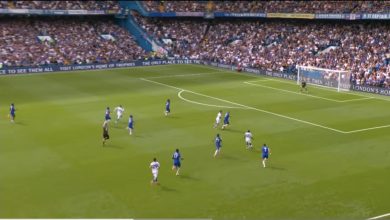

Brighton travelled into the contest hoping to secure a positive result, but the match quickly developed into a difficult assignment.
FABIAN HÜRZELER DEMANDS URGENT INVESTIGATION AS FURIOUS POST-MATCH REACTION EMERGES FOLLOWING BRIGHTON’S 2-0 DEFEAT AND CONTROVERSIAL RED CARD
🗣️ “The officials must explain what happened today. We cannot just pretend nothing happened.”
🗣️ “Some of the decisions were difficult to understand. We deserve answers.”
🗣️ “The behaviour of the supporters also needs to be looked at. There are things that should never happen in football.”
Brighton & Hove Albion’s disappointing 2-0 defeat has been overshadowed by controversy, with head coach Fabian Hürzeler reportedly demanding answers over the match officials’ performance, a contentious red-card incident and the atmosphere surrounding the encounter.
What should have been an opportunity for Brighton to deliver an important performance instead became an afternoon of frustration, anger and difficult questions.
The result was already painful enough for the travelling Brighton supporters. However, the circumstances surrounding the defeat have created an even bigger talking point, particularly after a red card left the Seagulls facing an uphill battle.
Hürzeler was left with plenty to consider after watching his side struggle to impose themselves on the contest. The German coach was visibly frustrated by several aspects of the afternoon, and questions surrounding the officiating quickly became central to the post-match discussion.
There is also controversy surrounding the behaviour of supporters, with comments attributed to the Brighton manager suggesting that certain incidents inside the stadium deserve closer attention.
For a manager who has repeatedly emphasised discipline, intensity and fairness, this was an afternoon that appeared to test his patience.
BRIGHTON’S AFTERNOON TAKES A DISASTROUS TURN
The Seagulls struggled to establish the control they wanted, while their opponents took advantage of important moments to put themselves in a commanding position.
Losing 2-0 is never an easy result to accept, particularly when a team believes that circumstances during the game have worked against them.
However, the red card became one of the defining moments of the afternoon.
Being reduced to ten players changes the entire complexion of a football match. It affects a team’s defensive organisation, limits its attacking options and forces the manager to reconsider his tactical approach.
For Brighton, the dismissal created another significant obstacle.
Hürzeler had to watch his players adjust their positions, work harder defensively and attempt to find a way back into a contest that was becoming increasingly difficult.
The numerical disadvantage also provided the opposition with greater opportunities to control possession and exploit spaces.
Brighton attempted to remain competitive, but the challenge became considerably harder as the match progressed.
The final scoreline reflected a difficult afternoon for the visitors, although the discussions after the final whistle were about much more than the two goals conceded.
FABIAN HÜRZELER WANTS ANSWERS FROM THE MATCH OFFICIALS
The biggest talking point following the defeat has been the reported frustration of Hürzeler over the officiating.
The Brighton boss is believed to have wanted greater clarity regarding the decisions made during the encounter, particularly those involving the red-card incident and other potentially controversial moments.
Football managers regularly find themselves under pressure to explain disappointing results. Supporters expect them to defend their players, acknowledge mistakes and provide an honest assessment of what went wrong.
But Hürzeler’s frustration highlights another issue that continues to generate debate across English football: consistency in refereeing decisions.
Managers want to understand why similar incidents sometimes produce different outcomes.
They also want clarity over the role of the Video Assistant Referee, especially when a decision has the potential to change the direction of an entire match.
When a team loses a player, the consequences can be enormous.
That is why the process behind a dismissal matters just as much as the final decision itself.
If there are genuine questions about how an incident was assessed, supporters will naturally expect an explanation.
Hürzeler’s reported demand for an investigation has therefore become a major talking point among Brighton followers.
The officials are responsible for applying the laws of the game, but their decisions are inevitably scrutinised when controversy develops.
THE RED CARD THAT CHANGED EVERYTHING

The dismissal was arguably the most significant moment of Brighton’s afternoon.
Before the incident, the Seagulls still had the opportunity to compete on equal terms and attempt to establish themselves in the match.
Afterwards, the situation became considerably more complicated.
Playing with ten men requires concentration, organisation and exceptional discipline.
Every player must understand their responsibilities, while the remaining attacking players often have to sacrifice their natural positions to help protect the team.
For Hürzeler, this presented a serious tactical problem.
His original plans had to be reconsidered, and Brighton’s ability to press aggressively was inevitably affected.
The dismissal also changed the psychological atmosphere of the contest.
Players can become frustrated when they believe an important decision has gone against them. That frustration can lead to unnecessary challenges, misplaced passes and a loss of concentration.
Brighton needed to remain calm, but the circumstances made that increasingly difficult.
The question now is whether the red card was correctly administered and whether the officials handled the incident in the best possible manner.
Those questions should be assessed using the available match footage and the applicable laws of the game.
A controversial decision does not automatically mean that the referee was wrong, but supporters deserve confidence that important decisions are being made consistently.
SUPPORTERS’ BEHAVIOUR BECOMES ANOTHER TALKING POINT
The controversy did not end with the officials.
Comments attributed to Hürzeler also raised questions about supporter behaviour during the encounter.
The German manager appeared unhappy with aspects of the atmosphere, with the suggestion that certain actions from supporters crossed an acceptable boundary.
Football is built on passion.
Supporters pay to follow their clubs, travel across the country and stand behind their players through difficult moments.
They are entitled to celebrate, criticise performances and express their frustration.
However, there is an important difference between passionate support and behaviour that goes beyond acceptable limits.
That distinction is particularly important during heated matches, when emotions can quickly become intense.
Hürzeler’s reported concerns have therefore created another debate.
What exactly happened inside the stadium?
Were there incidents that require the attention of the relevant authorities, or was the manager expressing frustration with the general atmosphere?
Those questions should not be answered through speculation.
If there were specific incidents, they should be examined using reliable evidence rather than assumptions.
Nevertheless, the subject has added another layer to an already uncomfortable afternoon for Brighton.
HÜRZELER FACES QUESTIONS OVER BRIGHTON’S PERFORMANCE
Although the officiating has attracted significant attention, Brighton must also accept responsibility for the result.
A red card can make a match more difficult, but the team still has to examine its own performance.
Hürzeler will know that his side cannot afford to allow frustration over individual decisions to distract from the improvements required on the pitch.
Brighton have built a reputation for playing organised, technically demanding football.
Their approach requires players to understand positional responsibilities, move the ball quickly and work collectively when possession is lost.
When those elements disappear, the team can become vulnerable.
The 2-0 defeat will therefore require an honest internal assessment.
The manager must consider whether his starting selection was correct, whether his tactical adjustments were effective and whether his players responded appropriately to the difficult circumstances.
He will also want to examine how the team defended the goals it conceded.
These are important questions because Brighton cannot afford to let one controversial afternoon become the beginning of a prolonged period of frustration.
The response in the next fixture will matter enormously.
VAR CONTROVERSY RETURNS TO THE SPOTLIGHT
The latest controversy has once again placed VAR under scrutiny.
The technology was introduced to help officials make more accurate decisions and reduce the number of major errors in football.
However, its implementation continues to divide supporters.
Some believe VAR has improved the game by providing an additional opportunity to review important incidents.
Others argue that the process has introduced confusion, lengthy delays and decisions that remain difficult to understand.
The biggest concern is consistency.
Supporters want to know why certain incidents are reviewed while others appear to receive less attention.
Managers also want transparency when a decision has a significant impact on the outcome of a match.
In Brighton’s case, the reported demand for a review has intensified discussion about how controversial decisions are handled.
However, it is important to distinguish between a manager requesting clarification and an official investigation being formally opened.
There has been no independently established confirmation in the information provided that an investigation has been launched or that the officials have been found guilty of an error.
What remains clear is that the incident has generated considerable frustration.
BRIGHTON FANS DEMAND AN EXPLANATION
Unsurprisingly, the defeat has left Brighton supporters disappointed.
Losing 2-0 is difficult to accept under any circumstances, but supporters are particularly frustrated when they believe important decisions have influenced the match.
Many will want the club to seek clarification through the appropriate channels.
Others will insist that Brighton must concentrate on their own shortcomings rather than allow the controversy to dominate the conversation.
Both perspectives reflect the frustration surrounding the result.
For supporters who travelled to watch their team, the afternoon represented a disappointing experience.
They wanted to see Brighton compete, create opportunities and return home with something positive.
Instead, they were left discussing a defeat, a dismissal and questions about the match officials.
The reaction will undoubtedly continue as supporters examine the available footage and debate the major incidents.
WHAT HAPPENS NEXT FOR FABIAN HÜRZELER?
Hürzeler now faces the responsibility of ensuring that the disappointment does not affect Brighton’s preparations for their next assignment.
The manager must bring his players together, review the performance and identify the areas that require immediate improvement.
Discipline will be particularly important.
Brighton cannot afford to repeatedly find themselves in situations where dismissals or avoidable mistakes leave them fighting against the odds.
The manager will also need to manage the emotional response within the dressing room.
Players must understand that frustration is natural, but allowing it to influence their performances can create further problems.
There is also the question of whether the club will formally seek clarification over the contentious decisions.
If Brighton believe that the officials made an important error, they can pursue the appropriate procedures and request explanations.
However, any formal complaint would need to be supported by the relevant evidence.
THE BIGGER PICTURE: FOOTBALL NEEDS CONSISTENCY
This incident highlights a familiar problem in modern football.
Managers, players and supporters want consistency from match officials.
They understand that referees are human and that mistakes can happen. What they struggle to accept is uncertainty surrounding decisions that can dramatically change a match.
A red card is one of the most serious sanctions a referee can impose.
It can change tactical plans, influence the final score and affect a team’s confidence for the remainder of the contest.
That is why the reasoning behind such decisions must be clear.
The same applies to VAR.
Technology should help improve decision-making, not create another layer of confusion.
When controversy develops, clear communication can help prevent misunderstandings and restore confidence.
For Brighton, the immediate priority remains recovering from the defeat.
But the wider questions raised by the afternoon will not disappear simply because the final whistle has been blown.
A FRUSTRATING AFTERNOON THAT DEMANDS A RESPONSE
Brighton’s 2-0 defeat will be remembered for the result, the red card and the controversy that followed.
Fabian Hürzeler has reportedly made his frustration clear, with the conduct of supporters and the performance of the officials becoming central to the post-match discussion.
The German coach will want answers, but he will also know that his team must respond on the pitch.
There is little value in allowing frustration to consume the next few days.
Brighton need to analyse what happened, address their weaknesses and prepare for their next challenge.
Meanwhile, questions surrounding the controversial incidents deserve to be considered through the appropriate channels.
For now, one thing is certain: this was not the afternoon Brighton wanted.
A 2-0 defeat, a red card and an uncomfortable post-match atmosphere have left the Seagulls with plenty to think about.