Wolves Fans ERUPT After Their Star Delivers a Performance They CANNOT FORGIVE Against Burnley!
Wolves Fans ERUPT After Their Star Delivers a Performance They CANNOT FORGIVE Against Burnley!
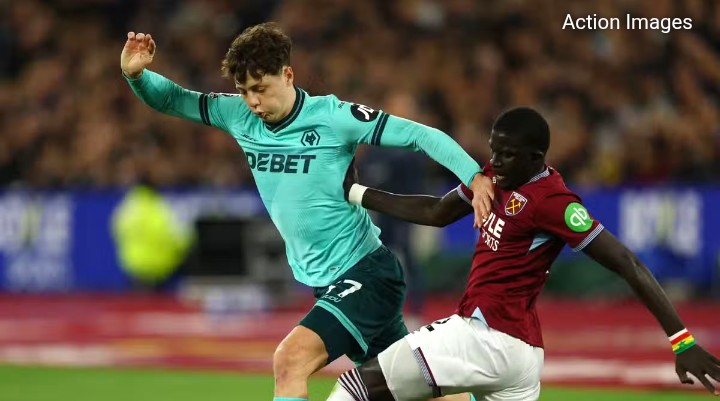
Saturday’s 2-1 defeat to Burnley at Molineux will be remembered less for the final scoreline and more for the eruption that followed. A player who has been the face of Wolves’ recent attacking promise produced a shockingly poor performance that turned a simmer of frustration into full-blown outrage among the fanbase. Missed chances, a tame penalty and a visible lack of intent combined to create a narrative many supporters say they simply cannot forgive.
The contest itself was tight, but the decisive moments revolved around one individual. He had the chance to haul his side level late on from the penalty spot, only to strike it weakly directly at the keeper. Earlier in the second half he fluffed an open chance from six yards and failed to connect cleanly on a header that would have given Wolves the lead. Those moments are the kind that define a striker’s reputation — and Saturday’s display will stick in the memory for all the wrong reasons.
What has stoked the anger beyond just poor finishing is the optics of his overall performance. Observers noted reduced sharpness in movement, fewer raids into the box, limited pressing and what looked like a hesitance to take on defenders when the team needed a spark. Social media exploded post-match. Clips of the missed opportunities were circulated and dissected, and chants directed at the player echoed around the stadium as fans made clear their displeasure. Long-standing supporters who have defended him through droughts and injuries expressed disbelief, and those who had long been critical felt vindicated.
The reaction was swift and raw. Fan forums were awash with calls for him to be dropped until form returns, questions about his commitment and even speculation about off-field issues affecting performance. Some supporters invoked the club’s ethos — the gritty, collective spirit Wolves have often championed — and suggested the player’s body language simply did not match that identity on Saturday. Others urged a more measured approach, reminding critics that even the best players have off days and that public vilification can be counterproductive.
From a tactical perspective, a few analysts pointed to systemic causes beyond the player’s individual failings. Wolves’ recent formation tweaks and reliance on quick transitions have at times shown diminishing returns when service dries up. If the attacking supply line stutters, even the most clinical forwards will look toothless. That said, the star’s output on Saturday contrasted sharply with his general reputation for rising to big moments, leaving managers and pundits asking whether tactical adjustments alone can explain what happened.
The manager faced a difficult post-match landscape. He chose to defend the player publicly, stressing that football is a team sport and that one performance should not eclipse a player’s broader contribution. Internally, the club is believed to be addressing the situation with a combination of private conversations, analysis of training performance and a review of conditioning. That private route — backing publicly while working behind the scenes — is the pragmatic approach clubs often take to avoid destabilizing dressing room dynamics.
Teammates’ reactions in the immediate aftermath were mixed but leaned toward solidarity. Several players were seen speaking with the talisman in the tunnel, a sign that the group understands the fine margins that separate a hero from a scapegoat. That kind of dressing-room support matters: players who feel behind by their peers tend to rebound quicker than those who are openly chastised. Yet supporters watching at home or in the stands are less inclined to be patient; they want immediate signs of accountability and improvement.
Speculation about underlying causes has proliferated. Some point to fatigue — the player has been carrying heavy minutes across competitions and might be feeling the cumulative toll. Others wonder about minor niggles that haven’t been publicized. There’s also the psychological dimension: pressure can calcify decision-making, making routine chances feel enormous and reducing the natural fluidity that turns good opportunities into goals. Whatever the root causes,