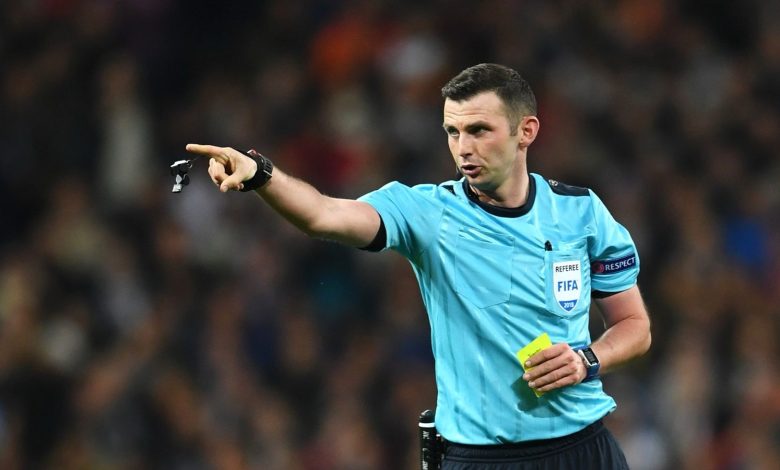
However, beyond the result, there was growing frustration about the way Michael Oliver managed the contest.
🚨 CHELSEA FANS FURIOUS AS MICHAEL OLIVER FACES HUGE REFEREEING BACKLASH AFTER LEEDS DEFEAT – THREE MAJOR DECISIONS UNDER THE SPOTLIGHT!
Chelsea’s disappointing afternoon against Leeds United has sparked another major refereeing debate, with Michael Oliver coming under intense scrutiny following three controversial decisions that have left supporters questioning the standard of officiating.
While Chelsea’s performance was far from convincing, the discussion surrounding the match has quickly shifted towards the officials and whether several important incidents were handled correctly.
For Chelsea supporters, it was already a frustrating afternoon at Stamford Bridge. Their team struggled to impose itself against a determined Leeds side, with the visitors producing an impressive performance and taking full advantage of the opportunities presented to them.
However, beyond the result, there was growing frustration about the way Michael Oliver managed the contest.
The experienced Premier League referee found himself at the centre of several incidents, with supporters from both sides expressing dissatisfaction over decisions made during the encounter.
The opening 20 minutes were particularly frustrating. The game struggled to develop any rhythm because of repeated fouls, physical challenges and stoppages.
Rather than allowing the match to settle into a competitive contest, the constant interruptions created an atmosphere of tension.
Both teams wanted consistency from the officials, but that was precisely what many supporters felt was missing.
And while Chelsea fans had plenty of reasons to be unhappy with their team’s display, they also believed that some important decisions went against them.
Here are three incidents that have attracted attention.
1. AO TANAKA FORTUNATE TO ESCAPE PUNISHMENT AFTER EARLY CHALLENGE ON ROMEO LAVIA
One of the earliest controversial moments arrived in just the sixth minute.
Leeds United midfielder Ao Tanaka went into a strong challenge on Romeo Lavia in Chelsea’s defensive third, producing an incident that immediately attracted attention.
It was a crunching challenge in an area where Chelsea could have been exposed if the situation had developed differently.
Lavia was left on the receiving end of the challenge, while Chelsea supporters immediately looked towards Michael Oliver for an explanation.
The question was whether Tanaka’s challenge deserved stronger punishment.
In modern football, referees are expected to distinguish between a genuine attempt to win the ball and a challenge that places an opponent in danger.
The speed, force, point of contact and nature of the challenge all matter when determining whether a foul warrants a yellow or red card.
That is why the incident generated so much discussion.
Chelsea supporters could reasonably argue that the referee needed to take a closer look at the challenge rather than allowing the game to continue without a more serious sanction.
For Leeds supporters, however, the decision was another example of a competitive challenge being interpreted differently by rival fans.
The difficulty for the officials is that early decisions often establish the standard for the remainder of a match.
When a referee allows a particularly physical challenge to go without a strong punishment, players can begin to question where the boundaries are.
That appeared to be one of the problems during the opening stages at Stamford Bridge.
The contest was becoming increasingly physical, and the officials were struggling to establish consistent control.
Tanaka’s challenge on Lavia became an early talking point, with Chelsea fans believing their midfielder deserved greater protection.
2. MICHAEL OLIVER’S CONTROL OF THE GAME COMES UNDER QUESTION
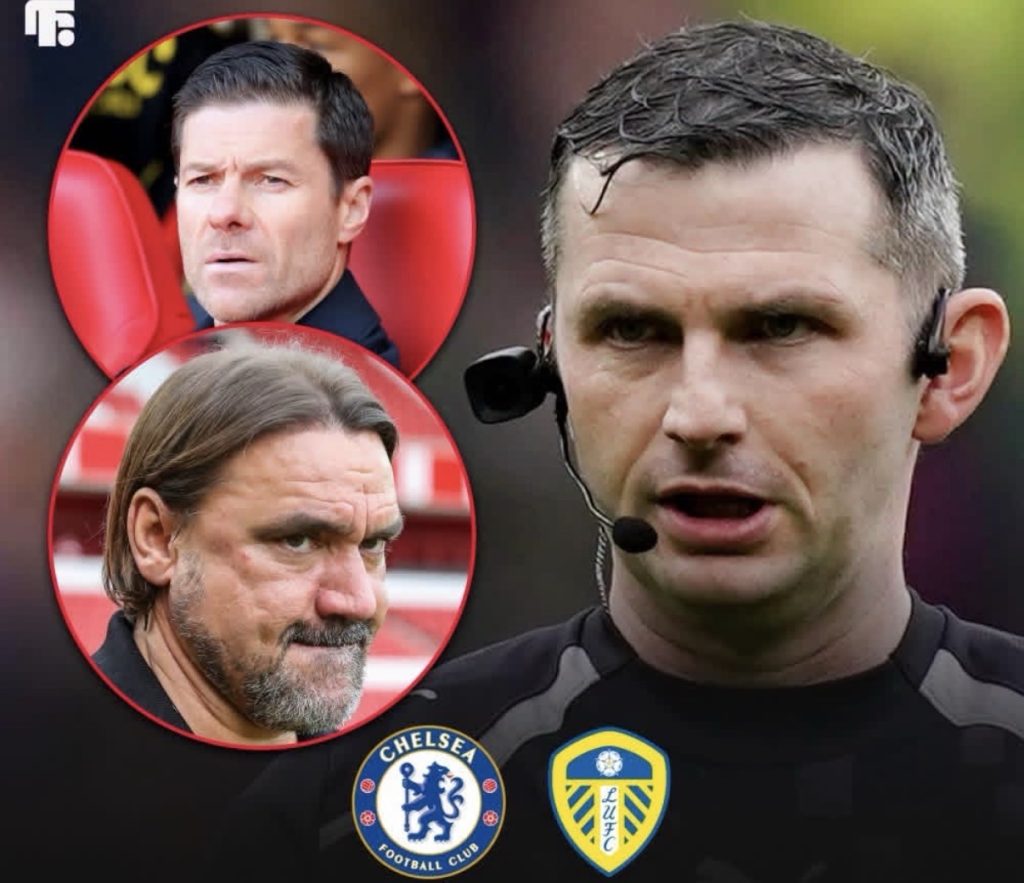
The second major talking point concerned the overall management of the match.
There was a noticeable lack of rhythm during the opening 20 minutes, with repeated fouls interrupting the flow of the contest.
For a Premier League match involving two teams desperate for a positive result, the number of stoppages made it difficult for either side to establish momentum.
Chelsea wanted to build attacks and put Leeds under pressure, while the visitors were determined to disrupt their opponents and make life uncomfortable.
That is part of football.
Teams are entitled to compete physically, press aggressively and use tactical fouls when necessary. However, there must also be a clear standard of officiating.
The frustration was not simply about the number of fouls.
It was about whether similar incidents were being judged consistently.
When one player receives a warning for a challenge while another escapes punishment for something supporters consider equally serious, questions inevitably follow.
Michael Oliver is one of the most experienced referees in English football, and expectations are naturally high whenever he takes charge of a major Premier League fixture.
His responsibility is not to make every supporter happy.
It is to apply the laws consistently, protect players and ensure that neither side receives an unfair advantage.
Unfortunately, the early exchanges left sections of the Stamford Bridge crowd frustrated.
The atmosphere became increasingly heated as players continued to challenge for possession and supporters reacted to decisions they believed were going against their teams.
For Chelsea, the concern was that the officials were allowing Leeds too much freedom in certain challenges.
For Leeds, the argument was that Chelsea were equally guilty of committing fouls and that the referee should not be influenced by the home crowd.
It was a difficult afternoon for match control, and Oliver’s performance became part of the wider conversation surrounding the result.
3. THREE DECISIONS THAT HAVE LEFT SUPPORTERS DEMANDING ANSWERS
The wider controversy surrounding the match has centred on three refereeing moments that Chelsea supporters believe deserved closer examination.
The challenge involving Tanaka and Lavia was among the first.
The other incidents have added to the frustration, particularly because supporters expected greater consistency from an official with Oliver’s experience.
There is an important distinction between a controversial decision and an incorrect one.
Football supporters naturally interpret incidents through the emotions of the match. A decision that looks obvious from one end of the stadium can appear completely different when viewed from another angle.
That is precisely why VAR and the on-field referee must work together when the laws permit intervention.
However, VAR cannot automatically review every foul or every yellow-card decision.
Its involvement is limited to specific categories of incidents, including possible red cards, penalties, goals and cases of mistaken identity.
That means some decisions will remain with the referee, even when supporters strongly disagree with them.
Chelsea fans will undoubtedly want explanations about the major incidents that went against their side.
But the conversation should also include the team’s performance.
A club competing at the highest level cannot afford to rely on refereeing decisions to rescue disappointing performances.
Chelsea needed to produce a stronger display, show greater composure and take responsibility for the opportunities available to them.
The officials may have become part of the story, but they were not the only reason for the result.
CHELSEA HAVE MORE THAN REFEREEING DECISIONS TO WORRY ABOUT
The defeat against Leeds United represents another frustrating moment for Chelsea, particularly considering the expectations surrounding the club.
Supporters want to see a team capable of controlling difficult matches, responding to pressure and delivering consistent performances.
Instead, the encounter exposed problems that cannot simply be blamed on Michael Oliver.
Chelsea must examine their defensive organisation, their ability to control midfield and their overall approach when opponents make the game uncomfortable.
Leeds deserve credit for the way they approached the contest.
They came to Stamford Bridge with determination, intensity and a clear willingness to compete for every ball.
Their players did not allow Chelsea to dictate proceedings comfortably, and that contributed significantly to the home side’s frustration.
It would be unfair to overlook the visitors’ performance simply because the refereeing decisions have become such a major talking point.
Leeds had a job to do, and they executed their approach effectively.
For Chelsea, however, the defeat raises uncomfortable questions about their ability to respond when matches become difficult.
THE MICHAEL OLIVER DEBATE IS NOT GOING AWAY
The Premier League continues to face criticism whenever controversial refereeing decisions dominate the conversation after important matches.
Supporters want clarity.
Managers want consistency.
Players want protection.
And referees are expected to make difficult decisions under enormous pressure.
Michael Oliver’s performance at Stamford Bridge will inevitably be discussed because of the incidents that emerged during the match.
The Tanaka challenge on Lavia, in particular, is likely to remain a talking point among Chelsea supporters.
But the most important question is whether the decisions were assessed correctly under the laws of the game.
Being unhappy with a decision does not automatically mean the referee was wrong. Equally, an official’s experience does not make every decision unquestionable.
There must be room for proper scrutiny.
Chelsea supporters will feel that their team did not receive the benefit of the doubt in several important moments.
Leeds fans will point towards their team’s performance and argue that the result should not be overshadowed by complaints from the opposition.
Both perspectives are part of football.
One thing is certain: Chelsea’s defeat has created another afternoon of debate, and Michael Oliver has found himself firmly in the spotlight.